The First 30 Days: Onboarding Remote Employees for Long-Term Success


Onboarding is not the same as orientation.
Very often, these two are interchanged, but they’re completely different.
Unlike orientation, onboarding is a structured, ongoing process. The former is a one-time event focused on introductions, paperwork, and basic policies. On the other hand, onboarding helps new hires understand their roles and integrate into teams.
Onboarding is crucial because the first 30 days of a new hire set the tone for everything that follows. In fact, about 70% of new hires decide during this time whether a role and a company are the right fit for them.
In this article, we’ll walk you through what an effective first 30 days should look like. We’ll take a closer look at remote employee onboarding and share practical ways to ensure a seamless experience for long-term success.
Why the First 30 Days Matter in Remote Onboarding
It’s common for new employees to put their best foot forward during their early days. Naturally, they want to meet expectations, pass probation, and secure their place in the company. However, the responsibility doesn’t rest solely on the employee. Employers also play a critical role in setting new hires up for success.
Below are the key reasons why you should use proper onboarding as a strategy.
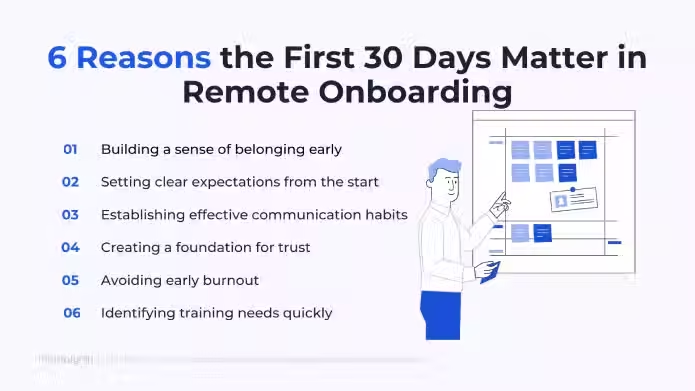
Building a sense of belonging early
According to Bamboo HR, 87% of new hires want to find friends at work, and it’s not surprising at all.
Starting a new role feels isolating, especially in the early days, when employees are still trying to understand your company culture and figure out how and where they fit in.
Onboarding can help facilitate these connections.
When people feel seen and included from day one, they tend to settle in faster and start contributing sooner.
Setting clear expectations from the start
One of the most common onboarding mistakes is leaving new hires to figure things out on their own.
This approach immediately raises red flags about how a company supports its people. Without proper guidance, new hires are left uncertain about their roles, responsibilities, and priorities. In effect, they’re expected to succeed without being given the structure or support needed to do so.
While every role is different, it can take several months for a new hire to become fully productive. Effective onboarding shortens this ramp-up period by providing clarity, direction, and consistent support from the start.
Establishing effective communication habits
Remote work relies heavily on clear communication, which is why strong habits need to be established early.
With limited face-to-face collaboration, misunderstandings can easily arise. This makes it essential to set communication standards as soon as a new hire starts.
Equip new employees with the tools your team uses and clearly explain how and when to use them. Just as importantly, outline who they can turn to when questions come up.
Creating a foundation for trust
Trust isn’t built overnight, and it can be even more challenging in a remote environment. It requires intention and discipline. Most importantly, it won’t exist unless you actively create it.
For your team to truly flourish, you need to establish a strong foundation of trust and confidence from the start. That means letting go of micromanagement and replacing it with consistent support. Set regular check-ins for alignment and feedback, not oversight.
This approach helps you start off on the right foot, showing new hires that your goal is to help them succeed, and not to control every move they make.
Avoiding early burnout
Around 66% of American workers report experiencing burnout. Among the most common contributors are excessive workloads (24%) and a lack of adequate resources and tools (24%).
A well-structured onboarding process can help ease these pressures early on. It allows companies to set clear responsibilities, not just for the business, but for the employee as well.
When new hires understand priorities, timelines, and what success looks like in the early stages, they’re better able to establish a sustainable pace.
Identifying training needs quickly
The first few weeks should be treated as dedicated time for training and skill development, where needed. This includes everything from learning the tools your team uses to understanding how workflows and processes actually operate.
This period is also an opportunity to identify what additional training may be beneficial for your new hire, whether they’re learning new systems or refining existing skills.
Taking this approach early ensures employees feel supported, capable, and equipped to perform their role with confidence.
.avif)
How to Create a Welcoming and Structured Onboarding Plan
So, how do you create a smooth and effective employee onboarding process? Here are a few essential steps to get you started.
1. Send a warm welcome before day one
A friendly message sent ahead of time can make a meaningful difference for your new hire. It sets expectations early and helps reduce first-day uncertainty. This message can include:
- A brief welcome note
- A preview of their first-week schedule
- A checklist of first-day essentials
Taking this step helps new hires feel prepared, less anxious, and genuinely excited to start. More importantly, it signals that you value their time, energy, and experience from day one.
2. Arrange personal introductions
Schedule short one-on-one chats or a casual team call so that your new hire can get to know their teammates beyond just profile photos. It helps break the ice, builds rapport early, and sets a friendly tone for future collaboration.
3. Provide a clear training schedule
Create a well-organized training plan, so your new hires know what to expect in their first week (and beyond). Outline what they’ll learn, when, and with whom.
Be sure to break larger topics into manageable segments to avoid overwhelming them on day one.
4. Share all necessary resources upfront
Make sure to share all login credentials, documents, guidelines, and company resources from day one to avoid derailing their momentum.
This step saves hours of confusion and lets your new team member hit the ground running.
5. Set up a buddy or mentor system
Pair new hires with a buddy or mentor to help foster a sense of belonging. These mentors can introduce them to the team, guide them through company processes, and share insights about how things work. It’s a simple yet effective way to make remote onboarding feel organized, personal, and welcoming.
4 Tips to Help Your Remote Team Thrive Well Beyond Day 30
The first month is just the beginning. Once your new hire has settled in, the focus shifts from helping them adjust to helping them grow.
In a remote setting, this means providing the structure, support, and autonomy they need to find their rhythm and perform at their best.
Here’s how you can help your remote talent thrive:
.avif)
Help them find their own rhythm
Every remote employee works differently. Some are most productive in the morning; others hit their stride after lunch.
The goal isn’t to force everyone into the same schedule but to help each person find a rhythm that keeps them focused and balanced.
Encourage your team to build routines that work for them while keeping communication and collaboration smooth. When people feel trusted to manage their own time, their productivity naturally improves.
Turn ‘feedback’ into a two-way conversation, not a report card
Feedback should feel like a partnership.
Instead of just telling team members what to improve, ask:
- How can I better support you?
- What’s working?
- What’s slowing you down?
This approach builds trust and shows that you’re invested in their success, not just their output.
Let them ‘own’ a project early
One of the most effective ways to build confidence is to give new hires ownership of something meaningful early on. It doesn’t need to be a major project. It can even be a task that allows them to make decisions and demonstrate their capabilities.
Ownership fosters accountability and motivation, while also giving you insight into how your team member handles responsibility and takes initiative in a real-world setting.
Make growth about them, not just the company
It’s easy to tie growth goals solely to company objectives, but great leaders take the time to understand each team member’s personal goals, too.
Ask what they want to learn, where they want to go, and what kind of support would help them get there. When employees see that their growth matters as much as the company’s, they feel valued.
.avif)
Kick Off a Proper Onboarding for Your Dream Remote Team
Struggling to find the right approach to onboarding your remote team? We can help.
At MultiplyMii, we are experts in remote team management. With years of experience in the industry, we’ve developed a tried-and-tested process, not just for recruitment, but for every aspect of remote staffing.
We help you hire the right talent and ensure they integrate seamlessly, providing end-to-end support every step of the way.
Ready to get started? Book a call with our team today.

With 9 years of research experience, Denize focuses on the hard questions in the remote staffing industry. As a Content Editor & Researcher at MultiplyMii, she ensures every piece of content moves beyond the surface to address real-world operational challenges and spark meaningful industry conversations. She is a strategist by trade, a researcher by habit, and a coffee enthusiast by necessity.